Blogs Are Dead (We’ve Heard That Before!)
A practical workshop where we break down how blogging supports visibility across Google, ChatGPT, AI search platforms, and traditional search engines, and why it remains one of the most effective ways to attract qualified leads online.
Every few years, someone declares blogging dead. I've been hearing it for years.
First, social media was supposed to replace blogs. Then video was going to replace blogs. Then TikTok arrived, and blogging was definitely dead. Now artificial intelligence has entered the chat, and suddenly everyone is convinced nobody needs written content anymore.
Meanwhile, businesses continue generating leads, building authority, increasing website traffic, and making money through strategic blogging.
So who's right? The people shouting that blogging is dead? Or the businesses quietly publishing content and collecting leads? (Spoiler alert: it's not the first group).
Blogging isn't dying, but the way people find blogs is changing, and that's a very different conversation.
As someone who spends every day helping businesses increase their visibility online, I can tell you exactly what's happening. People are still asking questions before they purchase anything. The only difference is where those searches are happening.
Today, someone might search Google. They might ask ChatGPT. They might scroll Reddit. They might watch YouTube. They might use Google's AI Overviews. They might bounce between all five before making a decision. What do all of those platforms have in common?
They need content. And if your business isn't creating content, you're giving those opportunities to someone else.
Search Isn't Going Anywhere
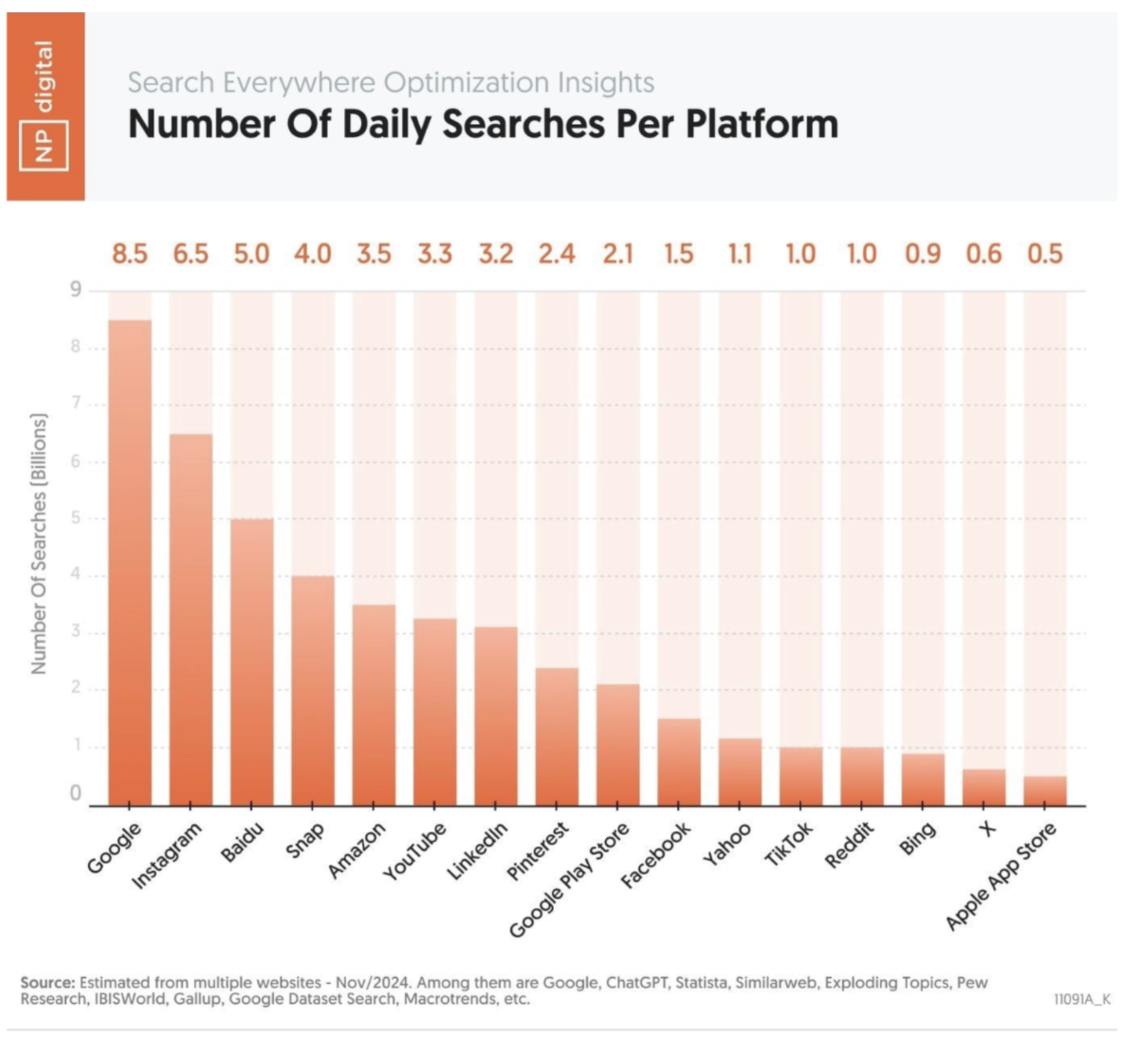
From our buddy Neil Patel!
One of the biggest misconceptions I hear from business owners is that AI is replacing search.
It isn't.
Search volume continues to grow. People are searching more than ever before. They're simply searching in more places.
Google still processes billions of searches every day. ChatGPT now serves hundreds of millions of users every week. Entire generations are becoming comfortable asking AI platforms questions the same way previous generations used Google.
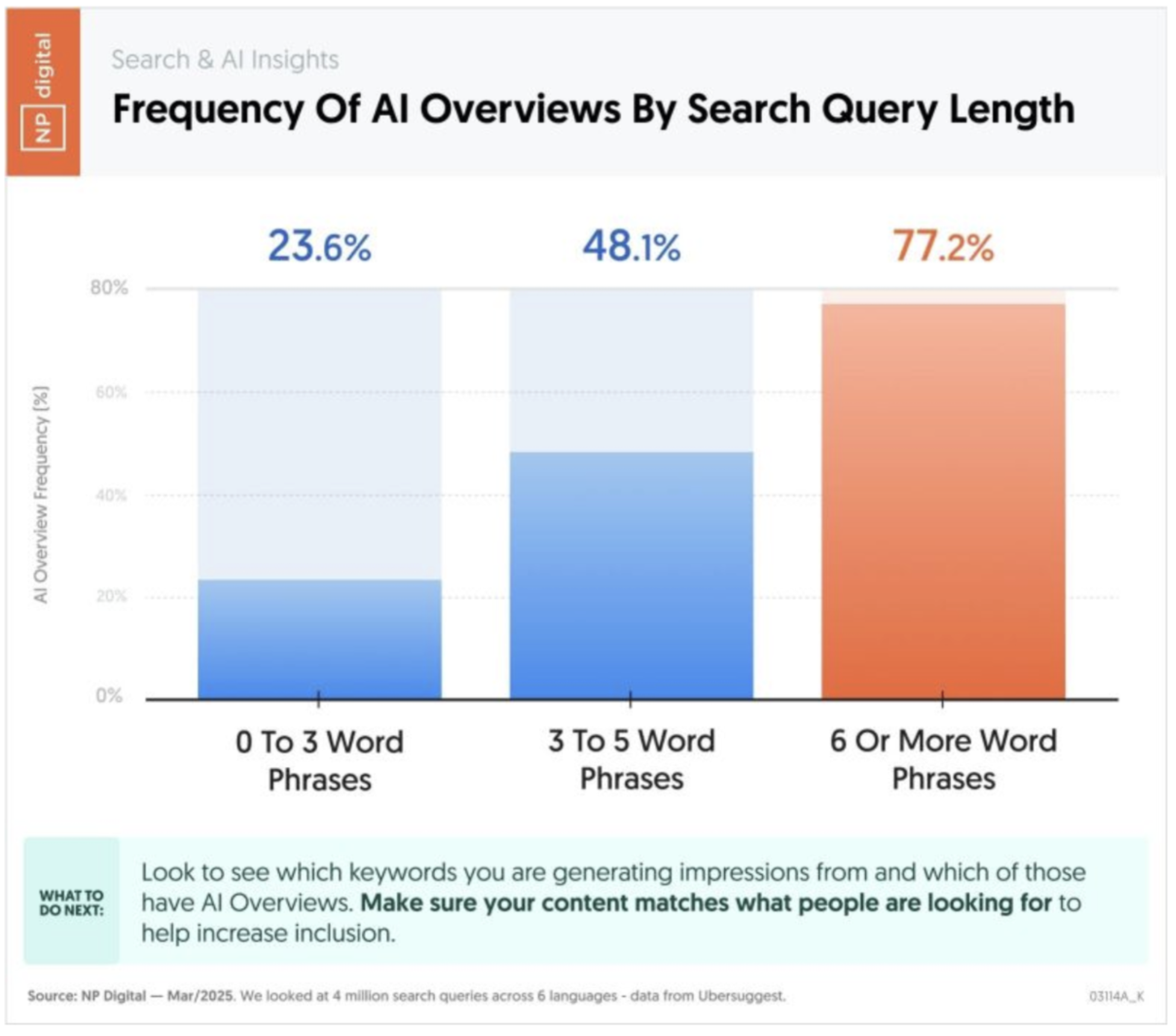
That's incredible news for content. Why? Because every one of those platforms depends on information. Google needs information. ChatGPT needs information. Gemini needs information. Perplexity needs information. Your future customers need information.
That's why I laugh a little when someone tells me blogging doesn't matter anymore. If anything, businesses need more content more than ever.
Most Websites Have a Visibility Problem
Let's talk about what I see when I audit websites. Most websites talk almost exclusively about themselves. Their services. Their products. Their company. Their certifications. Their process. Their team. Their awards.
And while all of that information has value, that's rarely what your customer is searching for first.
Your customer is usually searching for answers. How much does it cost? How long does it take? Is it worth it? What mistakes should I avoid? What's the difference between option A and option B? What should I know before hiring someone?
Your customer starts with a problem, not a service page. That's where blogging enters the conversation. A good blog closes the gap between what your customer wants to know and what your website currently says. The businesses winning in search are the businesses answering real customers’ questions.
Your Website Is Digital Real Estate
Your website is digital real estate. Every page creates another opportunity for someone to find your business. If your website has five pages, you have five opportunities to appear in search.
If your website has one hundred helpful blog posts, you suddenly have one hundred additional opportunities. Every article becomes another doorway into your business. Every article becomes another opportunity to establish trust before somebody ever contacts you.
This is one reason blogging creates such powerful long-term results. A social media post has a short shelf life. A paid ad disappears when the budget stops. A quality blog post continues attracting traffic long after it's published.
A Real World Case Study
We've seen this happen repeatedly with our clients. Take Kalamazoo Candle Company, for example, who committed to a long-term blogging strategy.
For 27 months, we published four strategic blog posts designed to answer questions and capture search demand each month.
The result?
Organic traffic increased by 750%. Monthly visitors grew from fewer than 2,000 visitors to more than 17,000 visitors. Product conversions increased. Dependence on paid advertising decreased.
Blogging directly impacted the company’s bottom line and led to an increase in revenue. How? It created visibility and inspired trust in their readership.
Blogging Doesn't Just Support SEO Anymore
This is where things get really interesting. A few years ago, I would've spent this section talking almost exclusively about Google. Today, I have to talk about Google and AI.
Because your blog now serves two audiences. The first audience is your customer. The second audience is the technology helping customers find answers.
ChatGPT doesn't magically know everything about your business; in fact, none of the AI systems do. They pull information from content.
If your expertise doesn't exist online, these platforms have very little information to work with. That's one reason we've spent so much time talking about Generative Engine Optimization, or GEO.
We recently wrote about this in our articles on SEO versus GEO and how ChatGPT is Googling your business. The relationship between traditional search and AI search isn't competitive. They're connected.
SEO creates the foundation. GEO expands your visibility into AI-generated answers. And blogging supports both. Every helpful article teaches search engines and AI platforms who you are, what you do, and why your business deserves attention.
Authority Is What Turns Visibility Into Revenue
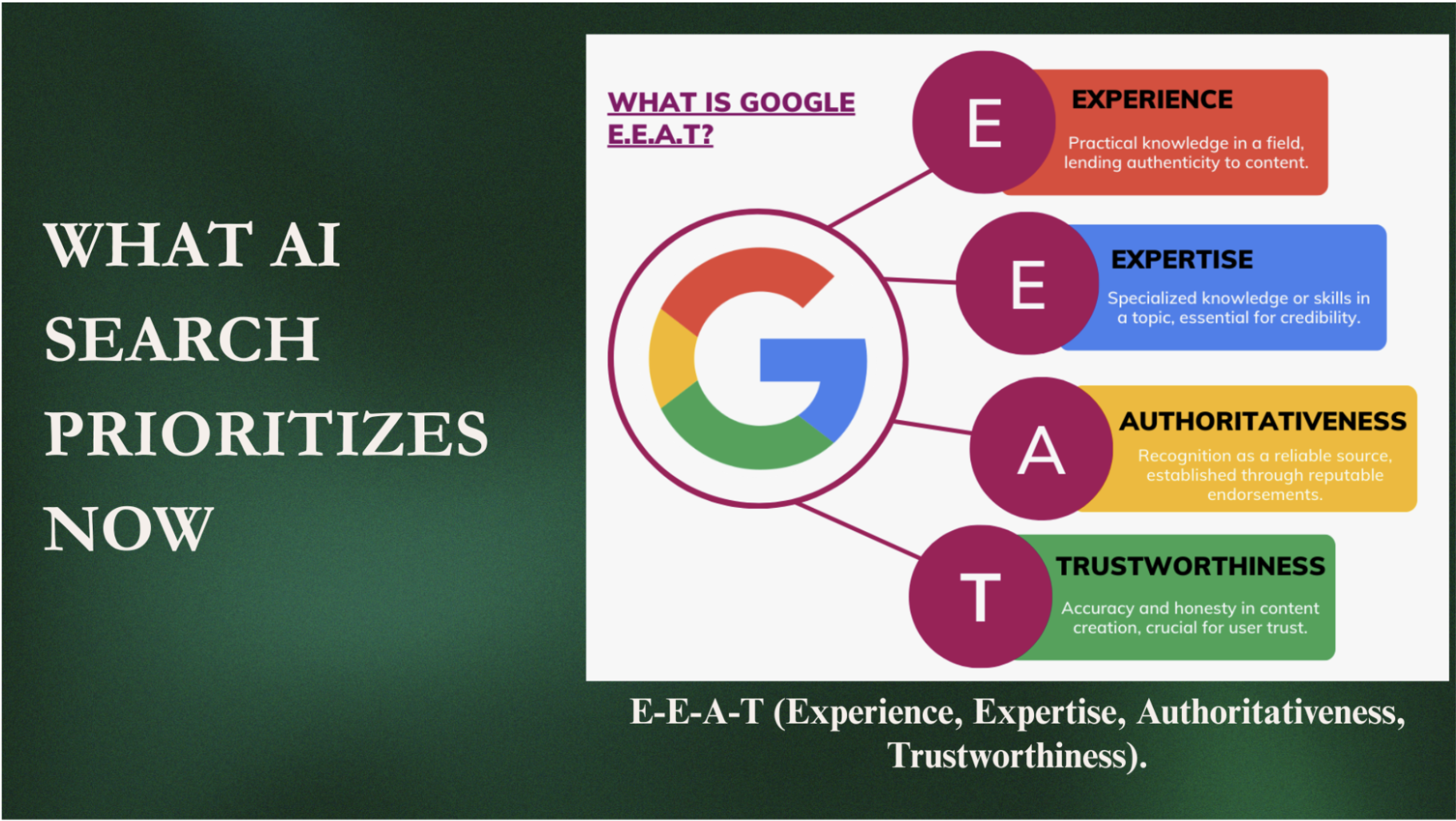
Getting found online is only half the battle. Once someone lands on your website, they need a reason to trust you. Over the last several years, Google has become increasingly focused on rewarding websites that publish genuinely helpful content.
Through updates like Google's Helpful Content Update and its E-E-A-T framework, which stands for Experience, Expertise, Authoritativeness, and Trustworthiness, Google has made one thing very clear: it wants to connect searchers with businesses that demonstrate real knowledge and real-world experience.
In other words, simply claiming you're an expert isn't enough anymore. Google wants evidence. Your potential customers do, too.
Every blog post creates an opportunity to demonstrate what you know. When you answer common questions, share lessons from real projects, publish case studies, explain industry trends, or break down complex topics in a way that people actually understand, you're building authority one article at a time. Those signals help search engines understand your expertise while also helping potential customers feel more confident about choosing your business.
This same principle applies to AI search platforms. ChatGPT, Gemini, Claude, and Perplexity are all looking for trustworthy sources when generating answers. Businesses that consistently publish educational content have a much stronger chance of appearing in those conversations because they've created a body of work that demonstrates expertise.
Authority doesn't happen overnight. One blog post won't suddenly position you as the leading voice in your industry. But fifty thoughtful articles that answer customer questions start building a reputation. One hundred articles begin creating a library of expertise that search engines, AI platforms, and potential customers can reference again and again.
The businesses winning online today aren't necessarily the loudest. They're the ones consistently proving that they know what they're talking about.
What Types of Blogs Actually Get You Found?
Not all blog posts generate traffic, leads, or visibility. The businesses seeing the strongest results focus on content that answers real questions from real customers.
#1: Cost Guides
Cost-related searches signal buying intent. People searching for pricing are usually evaluating options and moving closer to a decision. If pricing varies, explain why. If there are factors that affect cost, walk readers through them.
#2: Comparison Articles
Customers compare products, services, providers, and solutions before they buy. Comparison articles help them understand their options while positioning your business as a helpful resource.
#3: Frequently Asked Question Articles
If your team answers the same question repeatedly, it belongs on your website. Frequently asked question articles help customers get answers while creating additional opportunities to appear in search results.
#4: How-To Guides
Educational content performs well because it helps people solve problems. Even if someone isn't ready to buy today, a helpful guide builds trust and keeps your business top of mind when they are ready.
#5: Case Studies
Case studies show your expertise in action. They give potential customers proof that you've helped people with similar challenges and achieved measurable results.
How to Find Blog Topics Your Customers Are Already Searching For
One of the biggest mistakes I see business owners make is overcomplicating content planning.
Your customers are already giving you blog ideas every single day.
Start by paying attention to the questions people ask during sales calls, consultations, networking events, and customer service conversations. If one person asks a question, there's a good chance dozens or hundreds of other people are searching for the same answer online.
You can also use tools like Google Search, Google's "People Also Ask" section, AnswerThePublic, SEMrush, and ChatGPT to uncover common questions related to your industry.
My favorite exercise is simple: open a blank document and write down every question a customer asked this month. You'll usually walk away with enough blog topics to fill an entire content calendar.
The best content strategy starts with customer curiosity.
The Content Cluster Method
One blog post is helpful. A library of related blog posts is powerful. This is where content clusters come into play.
A content cluster is a group of related articles built around one core topic. Instead of publishing random content whenever inspiration strikes, you're creating a collection of resources that work together to demonstrate expertise.
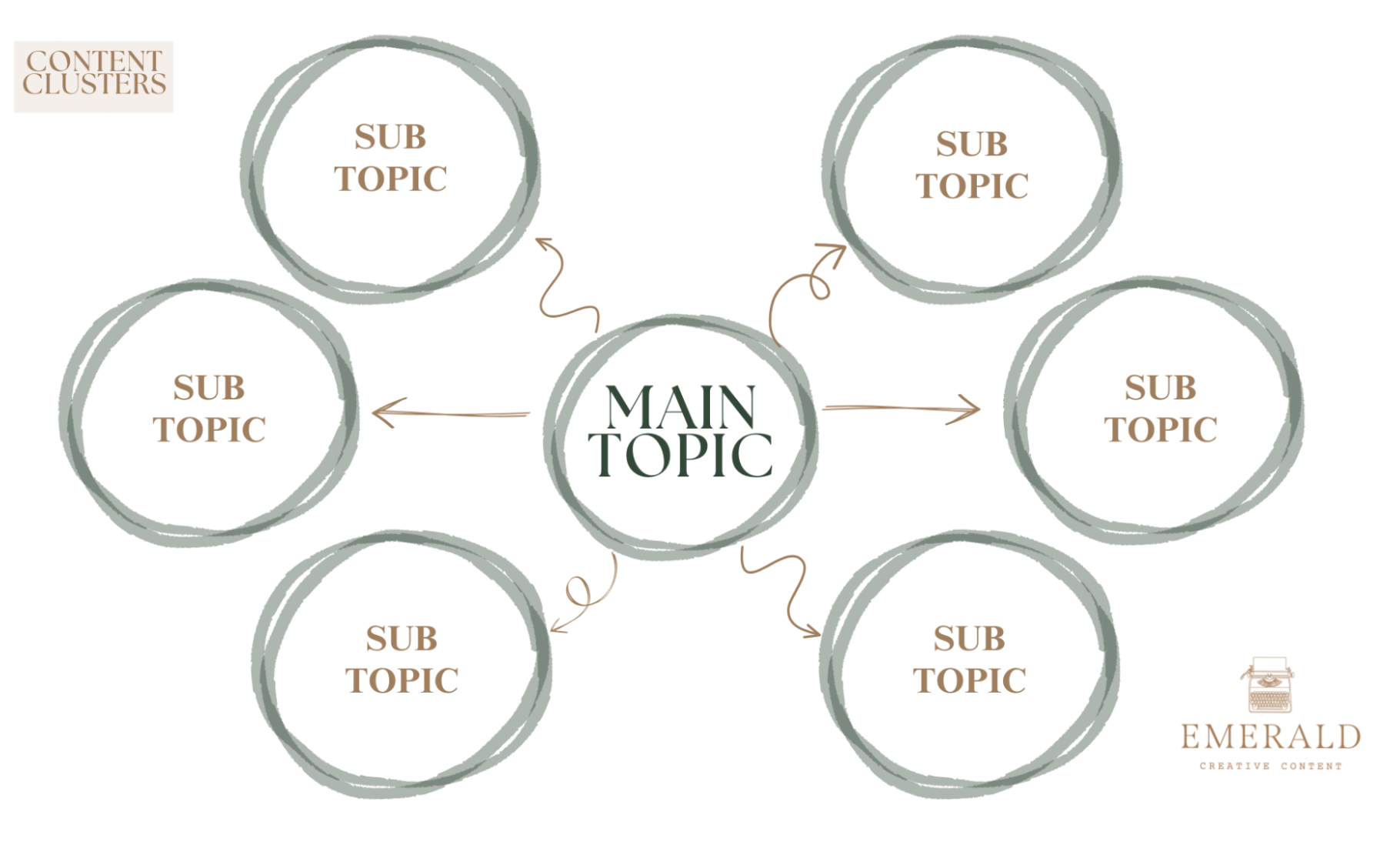
Let's say you're a custom home builder. You could write one blog called "The Ultimate Guide to Building a Custom Home." That's a strong start.
But now imagine supporting that article with content like:
"What Does It Cost to Build a Custom Home?"
"How Long Does It Take to Build a House?"
"Custom Home vs Production Home"
"Common Mistakes to Avoid When Building a Home"
"Questions to Ask Your Builder Before Signing a Contract"
Suddenly, you're not just answering one question. You're creating an entire resource center around a topic your customers care about.
Search engines love this because it helps them understand the depth of your expertise. AI platforms love it because they have more context to pull from when generating answers. Most importantly, your customers love it because they can find answers to multiple questions without leaving your website.
This strategy also supports topical authority. Instead of publishing disconnected articles on random subjects, you're building a body of content around the topics that directly relate to your products, services, and expertise.
The businesses earning the most visibility online aren't publishing more content than everyone else. They're publishing content with a purpose. That's exactly what content clusters help you do.
Frequently Asked Questions About Blogging for Business
How often should a business publish blog content?
Consistency matters more than volume. Publishing two high-quality articles per month is far more effective than publishing several rushed articles and then disappearing for six months.
How long does it take for a blog to generate results?
Blogging is a long-term strategy. Some articles gain traction within weeks, while others continue building traffic and authority for months or years after publication.

Ready to Turn Searchers Into Customers?
If you're ready to increase your visibility in Google, ChatGPT, and everywhere your customers look for information, let's talk. Book a free SEO and GEO audit, and we'll show you where your biggest opportunities are hiding.